
Your words are killing people or giving them life, and you have no idea which you’re doing most of the time.
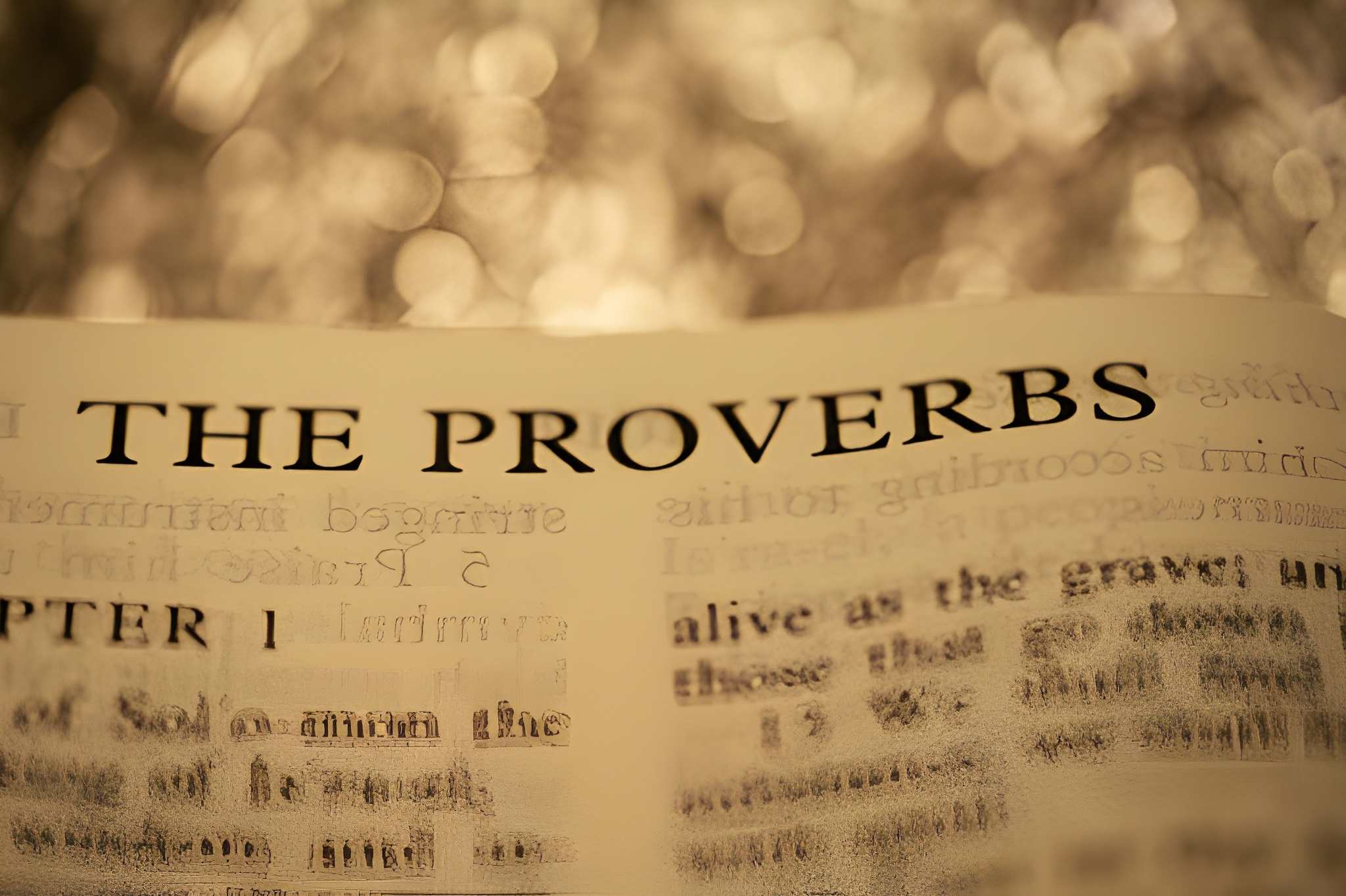
Proverbs 18:21, English Standard Version (ESV)
“Death and life are in the power of the tongue, and those who love it will eat its fruits.”
This isn’t poetic exaggeration. It’s sober declaration about reality you experience daily but rarely acknowledge.
Words shape destinies, destroy relationships, build confidence, or crush spirits.
They start wars and broker peace. They save lives and take them.
The tongue wields power disproportionate to its size, and Scripture warns you’re accountable for how you use it.
The Hebrew word for “power” (yad) literally means hand, suggesting the tongue has grasping, wielding capacity.
Your tongue has hands that grab hold of death or life and distribute them to people around you.
Every conversation is an opportunity to speak death or life into someone’s reality.
Understanding this proverb requires examining what “death and life” mean biblically, how the tongue wields this power, what “eating its fruits” entails, and how to steward speech responsibly given its lethal and life-giving potential.
The Hebrew Foundation: What the Words Actually Mean
“Death and Life”
The Hebrew words are “maweth” (death) and “chayyim” (life). These aren’t merely physical but encompass comprehensive states of flourishing or destruction.
Life (chayyim) in Hebrew thought includes vitality, prosperity, blessing, relationship with God, communal harmony, and shalom. It’s fullness, not just existence.
Death (maweth) includes not just physical death but everything that diminishes life: despair, broken relationships, spiritual separation, shame, hopelessness, and communal discord.
When your words speak “life,” they contribute to someone’s flourishing. When they speak “death,” they diminish, destroy, or devastate.
“Power of the Tongue”
The word “power” (yad) typically means hand. The tongue has hand-like capacity to grasp, manipulate, and control outcomes. This anthropomorphism emphasizes the tongue’s active agency.
The tongue doesn’t passively reflect reality. It actively shapes reality. Words don’t just describe situations. They create them, alter them, or destroy them.
“Those Who Love It Will Eat Its Fruits”
“Love” here (ahab) suggests passionate pursuit or preference. Those who love using their tongues, who talk constantly, who can’t resist speaking, will experience consequences of their speech.
“Eating fruit” means experiencing outcomes. Pleasant fruit or poisonous fruit. The metaphor suggests harvest: you plant words and reap results. You’ll consume what your speech produces.
How the Tongue Wields Power: Biblical Evidence
The Tongue’s Creative Power
Genesis 1 establishes that God spoke creation into existence. “And God said, ‘Let there be light,’ and there was light” (Genesis 1:3). Words preceded and produced reality.
Humans, made in God’s image, possess derivative creative power through speech. We don’t create ex nihilo like God, but our words shape existing reality significantly.
Proverbs 12:18, Christian Standard Bible (CSB)
“There is one who speaks rashly, like a piercing sword; but the tongue of the wise brings healing.”
Words can wound like swords or heal like medicine. Both effects are real, not metaphorical.
The Tongue’s Destructive Power
James 3:5-6, New International Version (NIV)
“Likewise, the tongue is a small part of the body, but it makes great boasts. Consider what a great forest is set on fire by a small spark. The tongue also is a fire, a world of evil among the parts of the body. It corrupts the whole body, sets the whole course of one’s life on fire, and is itself set on fire by hell.”
James compares the tongue to spark that ignites forest fires. Small words cause massive destruction. Gossip destroys reputations. Slander ruins lives. Lies create alternate realities. Harsh words crush spirits.
Suicide notes frequently reference words others spoke that pushed victims toward death. “You’re worthless.” “Nobody wants you.” “You’ll never amount to anything.” These words dealt death.
The Tongue’s Blessing Power
Proverbs 16:24, New King James Version (NKJV)
“Pleasant words are like a honeycomb, sweetness to the soul and health to the bones.”
Encouragement revives discouraged people. Affirmation strengthens the insecure. Truth spoken lovingly heals damaged souls. Words of blessing activate potential.
Teachers’ words shape students’ futures. Parents’ words form children’s identities. Spouses’ words build or destroy marriages. Friends’ words during crisis determine whether people persevere or quit.
Life-Speaking Words: Characteristics and Examples
1. Words That Encourage
1 Thessalonians 5:11, English Standard Version (ESV)
“Therefore encourage one another and build one another up, just as you are doing.”
Encouragement literally means to put courage into someone. Your words can infuse strength into weary people, giving them capacity to continue when they’re ready to quit.
Practical examples: “I see God’s work in your life.” “You handled that difficulty with remarkable grace.” “Your faithfulness inspires me.” “Keep going. You’re closer than you think.”
2. Words That Affirm Truth
Ephesians 4:15, Christian Standard Bible (CSB)
“But speaking the truth in love, let us grow in every way into him who is the head—Christ.”
Life-giving words speak truth, even hard truth, with love. They don’t flatter falsely or enable destructively. They tell people what they need to hear in ways they can receive.
Truth without love is cruelty. Love without truth is sentimentality. Life comes from truth spoken in love.
3. Words That Give Wisdom
Proverbs 10:11, New International Version (NIV)
“The mouth of the righteous is a fountain of life, but the mouth of the wicked conceals violence.”
Wise counsel provides direction when people are lost. Biblical wisdom applied to specific situations gives life by preventing destructive choices.
4. Words That Bless
Romans 12:14, New King James Version (NKJV)
“Bless those who persecute you; bless and do not curse.”
Blessing means speaking good over people, asking God’s favor on them, and declaring truth about their identity and potential. Blessing calls forth what God intends rather than what currently exists.
5. Words That Forgive
Colossians 3:13, English Standard Version (ESV)
“Bearing with one another and, if one has a complaint against another, forgiving each other; as the Lord has forgiven you, so you also must forgive.”
“I forgive you” releases people from debt and restores relationship. These words deal life by offering fresh starts and freedom from shame.
Death-Dealing Words: Characteristics and Examples
1. Words That Gossip
Proverbs 18:8, Christian Standard Bible (CSB)
“A gossip’s words are like choice food that goes down to one’s innermost being.”
Gossip damages reputations, destroys trust, and kills relationships. It deals death to the person gossiped about and to the gossiper’s own character.
2. Words That Slander
Proverbs 10:18, New International Version (NIV)
“Whoever conceals hatred with lying lips and spreads slander is a fool.”
Slander is false accusation that destroys someone’s standing in community. It deals death by assassinating character.
3. Words That Curse
James 3:9-10, New King James Version (NKJV)
“With it we bless our God and Father, and with it we curse men, who have been made in the similitude of God. Out of the same mouth proceed blessing and cursing. My brethren, these things ought not to be so.”
Cursing speaks destruction over people made in God’s image. It calls for harm, diminishment, or failure rather than blessing.
4. Words That Criticize Destructively
Ephesians 4:29, English Standard Version (ESV)
“Let no corrupting talk come out of your mouths, but only such as is good for building up, as fits the occasion, that it may give grace to those who hear.”
Destructive criticism tears down without building up. It focuses on faults without offering solutions. It diminishes rather than develops.
5. Words That Lie
Proverbs 12:19, Christian Standard Bible (CSB)
“Truthful lips endure forever, but a lying tongue, only a moment.”
Lies create false realities that collapse eventually. They deal death by destroying trust, distorting truth, and damaging souls of both liar and deceived.
Eating the Fruit: Consequences of Speech
You Experience What You Speak
Proverbs 12:14, New International Version (NIV)
“From the fruit of their lips people are filled with good things, and the work of their hands brings them reward.”
Chronic complainers experience misery they verbally rehearse. Grateful people experience joy they verbally celebrate. Fearful speakers attract what they fear. Faith-filled speakers walk toward what they believe.
This isn’t positive thinking magic. It’s recognition that words shape perception, attitudes, and actions which produce corresponding results.
Others Treat You According to Your Speech
People who speak death habitually find themselves avoided. Nobody wants constant negativity. Conversely, life-speakers attract people seeking encouragement.
Your relational health directly correlates with your speech patterns. Marriages thrive or die based on words spouses exchange. Friendships deepen or dissolve based on conversational content.
God Holds You Accountable
Matthew 12:36-37, New King James Version (NKJV)
“But I say to you that for every idle word men may speak, they will give account of it in the day of judgment. For by your words you will be justified, and by your words you will be condemned.”
Jesus warns that every careless word requires accounting. The tongue’s power carries corresponding responsibility. You’re accountable for death and life you’ve spoken.
Stewarding the Tongue Responsibly
1. Recognize Speech’s Power
Stop treating words as inconsequential. They’re not. They shape reality. Acknowledge that your speech matters eternally.
2. Think Before Speaking
Proverbs 21:23, English Standard Version (ESV)
“Whoever keeps his mouth and his tongue keeps himself out of trouble.”
Pause between thought and speech. Ask: Is it true? Is it helpful? Is it necessary? Is it kind? Is it timely?
3. Listen More Than You Speak
James 1:19, Christian Standard Bible (CSB)
“My dear brothers and sisters, understand this: Everyone should be quick to listen, slow to speak, and slow to anger.”
Quick listening and slow speaking prevent many speech-related disasters. You can’t speak death while you’re listening.
4. Speak Deliberately
Choose words intentionally rather than reactively. Consider their impact. Anticipate their consequences. Speak with purpose, not just impulse.
5. Ask God to Control Your Tongue
Psalm 141:3, New International Version (NIV)
“Set a guard over my mouth, Lord; keep watch over the door of my lips.”
You can’t tame your tongue without divine help. James 3:8 states “no human being can tame the tongue.” Only God’s power can transform speech patterns.
Frequently Asked Questions
Does this mean words have magical power?
No. Words don’t contain intrinsic magic. They have power through God’s created order where speech shapes reality. God designed human words to carry weight and produce effects. This is spiritual and psychological reality, not magic.
What about positive confession teaching?
Positive confession movements often distort Proverbs 18:21 by suggesting you can manipulate reality through formulaic speech. Biblical teaching is that words have real effects within God’s sovereignty, not that you control God through correct verbal formulas.
Can I speak someone back to life physically?
No. This proverb addresses broader concepts of life and death, not resurrection power. Physical resurrection requires divine intervention. However, your words can contribute to someone’s will to live or desire to die.
What if I’ve spoken death over people?
Confess it to God and, where possible, to those you’ve harmed. Ask forgiveness. Begin speaking life instead. God’s grace covers past speech failures when genuinely repented.
How do I know if my words are giving life or death?
Examine fruit. Are people encouraged or discouraged after conversations with you? Do relationships strengthen or weaken? Does your speech build others’ faith or breed cynicism? Fruit reveals what you’re planting.
What about necessary correction?
Speaking truth in love sometimes requires difficult words. Correction can give life by redirecting someone away from destruction. The question isn’t whether words are pleasant but whether they’re true, necessary, and delivered lovingly.
Say This Prayer
Father, my tongue has dealt death when I should have spoken life. I’ve criticized, gossiped, slandered, cursed, and lied. I’ve wounded people with careless words and missed opportunities to encourage. Forgive me. Transform my speech. Set a guard over my mouth. Make me quick to listen and slow to speak. Help me recognize the power my words carry. Teach me to speak truth in love, to encourage the weary, to bless even enemies, and to use my tongue to give life rather than deal death. When I’m tempted to gossip, stop me. When I should speak blessing, prompt me. Make my words fountain of life, not well of poison. In Jesus’s Name, Amen.
Cited Works
Garrett, D. A. (1993). Proverbs, Ecclesiastes, Song of Songs. B&H Publishing Group. [Biblical Commentary]
Kidner, D. (1964). The Proverbs: An Introduction and Commentary. InterVarsity Press. [Biblical Commentary]
Longman, T. (2006). Proverbs. Baker Academic. [Biblical Commentary]
Peterson, E. H. (2005). The Message: The Bible in Contemporary Language. NavPress. [Bible Translation]
Strong, J. (2010). Strong’s Exhaustive Concordance of the Bible. Hendrickson Publishers. [Reference Book]
Waltke, B. K. (2004). The Book of Proverbs: Chapters 1-15. Eerdmans Publishing Company. [Biblical Commentary]

