

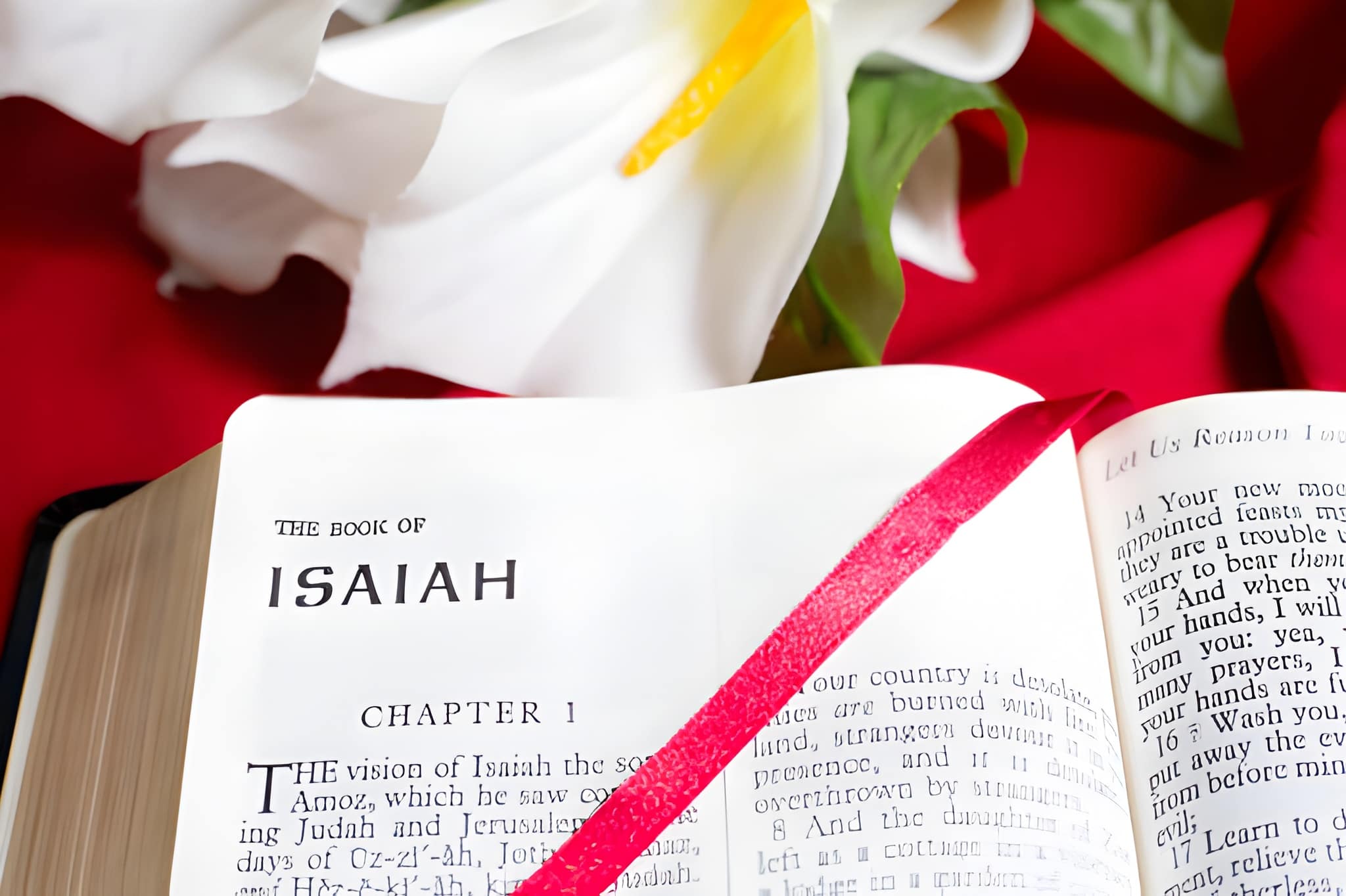
You’ve probably seen this verse on wall plaques, graduation cards, and motivational posters.
Wings. Eagles. Soaring.
Beautiful imagery that gets slapped onto inspirational merchandise, while most people completely miss what Isaiah was actually saying to the people who first heard these words.
Isaiah 40:31, English Standard Version (ESV)
“But they who wait for the Lord shall renew their strength; they shall mount up with wings like eagles; they shall run and not be weary; they shall walk and not faint.”
This promise came to people who were exhausted beyond measure.
The historical context matters profoundly.
Isaiah prophesied to Judah during the Babylonian threat and captivity.
These weren’t people casually waiting for minor inconveniences to resolve.
They were facing national destruction, exile from their homeland, and the collapse of everything they’d built their lives on.
The promise of renewed strength wasn’t about getting through a tough week at work.
It addressed generational trauma, displacement, hopelessness, and the crushing weight of watching God’s judgment fall on their nation while wondering if He’d abandoned them permanently.
When you understand who Isaiah spoke to, what “waiting on the Lord” actually meant in Hebrew, why eagles specifically were chosen as metaphor, and what progression from soaring to running to walking reveals, this verse transforms from pleasant inspiration into radical promise with power to sustain you through suffering that threatens to destroy you.
The Context Isaiah’s Audience Faced
The Historical Setting
Isaiah prophesied during two distinct periods.
Chapters 1-39 address the Assyrian threat in the 8th century BC.
Chapters 40-66, including our passage, prophesy about the Babylonian exile that would come over a century later.
“Comfort, comfort my people,” says your God. “Speak tenderly to Jerusalem, and announce to her that her time of forced labor is over, her iniquity has been pardoned, and she has received from the Lord’s hand double for all her sins.”
Isaiah 40:1-2, Christian Standard Bible (CSB)
The opening of Isaiah 40 addresses people in exile.
Their forced labor is ending. God has pardoned their sin.
But they’re still devastated, displaced, and doubting whether God’s promises can be trusted after experiencing His judgment.
The Spiritual Exhaustion They Experienced
Isaiah 40:27, New International Version (NIV)
“Why do you complain, Jacob? Why do you say, Israel, ‘My way is hidden from the Lord; my cause is disregarded by my God’?”
The exiles believed God had forgotten them. They thought their situation was hidden from His sight. They felt their cause was disregarded. This wasn’t mild discouragement.
It was a deep spiritual crisis, questioning whether God still cared or possessed the power to save.
Isaiah 40:28-30, New King James Version (NKJV)
“Have you not known? Have you not heard? The everlasting God, the Lord, the Creator of the ends of the earth, neither faints nor is weary. His understanding is unsearchable. He gives power to the weak, and to those who have no might He increases strength. Even the youths shall faint and be weary, and the young men shall utterly fall.”
Isaiah contrasts human limitation with divine inexhaustibility. Even strong young men grow weary and collapse. But God neither faints nor grows tired. His strength is unlimited and available to those who access it correctly.
Then comes verse 31 with its conditional promise.
Breaking Down the Hebrew: What “Waiting” Actually Means
The Word Qavah
The Hebrew word translated “wait” is qavah. It doesn’t mean passive sitting around hoping things improve. Qavah carries the idea of tensely expecting, eagerly anticipating with confident hope, like a watchman on a city wall straining to see approaching help.
This word appears in Psalm 27:14: “Wait for the Lord; be strong, and let your heart take courage; wait for the Lord!”
It’s also used in Lamentations 3:25: “The Lord is good to those who wait for him, to the soul who seeks him.”
Qavah involves active expectation grounded in God’s character and promises. It’s not wishful thinking but confident anticipation based on who God is.
What They Were Waiting For
The exiles weren’t waiting for abstract blessing.
They were waiting for the specific restoration God promised: return to Jerusalem, temple rebuilding, covenant renewal, and ultimately the Messiah who would deliver them permanently.
Their waiting required trusting God’s timeline despite prolonged delay.
Babylon fell to Persia in 539 BC.
The first wave of exiles returned around 538 BC under Cyrus’s decree. But full restoration took generations.
Many who heard Isaiah’s prophecy died in exile without seeing fulfillment. This makes the promise even more remarkable.
God promises renewed strength to people who won’t see resolution in their lifetimes but must keep trusting Him anyway.
The Promise: Three Levels of Renewed Strength
1. They Shall Mount Up With Wings Like Eagles
Eagles don’t flap constantly. They use thermal currents to soar with minimal effort, rising to heights where other birds can’t follow.
This represents seasons when God’s strength lifts you supernaturally above circumstances.
You’re not striving. You’re being carried. Problems that seemed insurmountable look small from this vantage point.
But notice the progression. The verse doesn’t stop with soaring.
2. They Shall Run and Not Be Weary
Running requires more effort than soaring but demonstrates sustained strength.
This represents active service during demanding seasons when you must work hard but God supplies endurance that exceeds natural capacity.
You’re not floating above problems but engaging them directly with supernatural stamina. The work is real but you’re not depleted by it.
3. They Shall Walk and Not Faint
Walking is least glamorous but most practical for daily life.
This represents ordinary faithfulness during unglamorous seasons when nothing spectacular happens, but you keep putting one foot in front of the other without collapsing.
Walking requires persistence through monotony, endurance through sameness, and faithfulness when there’s no adrenaline or apparent progress.
Why This Order Matters
Most people quote this verse hoping for soaring. But the progression moves from soaring to running to walking intentionally.
Life with God includes mountaintop moments, active service periods, and long seasons of ordinary faithfulness.
The promise is that God supplies appropriate strength for each season.
Soaring strength for extraordinary moments. Running strength for demanding service and walking strength for daily plodding. You won’t faint or give out regardless of which season you’re in.
The Condition: Waiting on the Lord
What Waiting Involves
Waiting on the Lord means several interconnected practices:
Trusting God’s timing. You don’t dictate when He acts. You trust His schedule is perfect even when it exceeds your preferred timeline.
Expecting His intervention. You genuinely believe God will act, though you don’t know precisely when or how.
Depending on His strength. You acknowledge your insufficiency and lean on His inexhaustible resources.
Obeying what He’s revealed. You don’t wait passively. You obey current instructions while waiting for future fulfillment.
Persisting through delay. You keep trusting when nothing visible changes and all evidence suggests hope is foolish.
What Waiting Doesn’t Mean
Waiting doesn’t mean:
Passivity. You don’t stop working, serving, or obeying while waiting for God’s timing.
Laziness. You fulfill current responsibilities diligently while trusting God for what’s beyond your control.
Presumption. You don’t demand God act according to your schedule or preferences.
Resignation. You maintain hope rather than cynically accepting defeat.
How This Promise Applies Today
When You’re Spiritually Exhausted
Modern believers experience exhaustion similar to what Isaiah’s audience felt. Ministry burnout. Unanswered prayers spanning years. Ongoing suffering without relief. Doubts about whether God sees or cares.
The promise stands: wait on the Lord and He’ll renew your strength. Not eliminate your circumstances necessarily but supply supernatural endurance to keep going.
When Timelines Don’t Match Expectations
God’s promised blessings often arrive on timelines that frustrate us. Marriage. Children. Career breakthrough. Ministry fruitfulness. Physical healing. Financial provision.
Waiting on the Lord means trusting His timing is perfect even when it feels painfully slow.
2 Peter 3:8-9, English Standard Version (ESV)
“But do not overlook this one fact, beloved, that with the Lord one day is as a thousand years, and a thousand years as one day. The Lord is not slow to fulfill his promise as some count slowness, but is patient toward you, not wishing that any should perish, but that all should reach repentance.”
When You’re in Ordinary Seasons
Not every season is mountaintop experience. Most of life is walking, not soaring. The promise includes strength for ordinary faithfulness.
God supplies what you need for today. Tomorrow He’ll supply what tomorrow requires. This is manna principle from Exodus. Daily dependence. Daily provision.
When You’re Serving Strenuously
Demanding ministry seasons drain you physically, emotionally, and spiritually. The promise of running without weariness means God provides supernatural stamina for strenuous service He calls you to.
This doesn’t guarantee you’ll never feel tired. It promises you won’t be depleted to the point of breakdown when you’re depending on God’s strength rather than your own.
Frequently Asked Questions
Does this mean I’ll never feel tired if I wait on God?
No. The promise isn’t elimination of all tiredness but supernatural renewal that prevents collapse. Even Jesus experienced physical exhaustion. The difference is that God-supplied strength sustains you through what would naturally overwhelm you.
How long do I have to wait before receiving renewed strength?
There’s no formula. Sometimes renewal comes immediately. Sometimes it’s gradual process over weeks, months, or years. The key is persistent waiting rather than giving up when renewal doesn’t come instantly.
What if I’ve been waiting years and feel more exhausted than ever?
Long waiting tests faith severely. Examine whether you’re truly waiting on the Lord or just enduring circumstances bitterly. True waiting maintains hopeful expectation despite delay. If you’re at breaking point, seek Christian community for support, consider whether God is redirecting you, and keep bringing honest exhaustion to Him in prayer.
Can I claim this promise if my exhaustion is self-inflicted?
If you’re exhausted from disobedience, sin, or refusing God’s guidance, the solution is repentance first. However, once you’ve repented and aligned with God’s will, this promise applies. God renews strength for those walking in obedience, not those persisting in rebellion.
What’s the difference between waiting on God and being passive?
Waiting on God means active trust and obedience while He works. Passivity means doing nothing and calling it faith. Wait actively: obey what God’s revealed, serve where He’s placed you, and trust Him for what you can’t control.
Does this promise apply to physical strength or just spiritual?
Primarily spiritual but not exclusively. God’s renewal addresses whole person. Physical stamina often increases when spiritual exhaustion is healed. However, the promise focuses on spiritual endurance that enables faithfulness despite circumstances.
Say This Prayer
Lord, I’m exhausted. The waiting is long. My strength is depleted. I need the renewal You promise. Teach me to wait on You correctly. Not passively hoping things improve but actively trusting Your timing, depending on Your strength, and obeying Your Word. Give me soaring strength for extraordinary moments You ordain. Give me running strength for demanding service You call me to. Give me walking strength for ordinary days that feel endless. Help me trust that Your delays aren’t denials. When I can’t see Your hand, help me trust Your heart. Renew my strength according to Your promise. Keep me from fainting. Keep me from giving up. Sustain me through whatever season I’m in. Make me faithful while I wait. In Jesus’s Name, Amen.
Documentation
Motyer, J. A. (1993). The Prophecy of Isaiah. InterVarsity Press. [Biblical Commentary]
Oswalt, J. N. (1986). The Book of Isaiah: Chapters 1-39. Eerdmans Publishing Company. [Biblical Commentary]
Oswalt, J. N. (1998). The Book of Isaiah: Chapters 40-66. Eerdmans Publishing Company. [Biblical Commentary]
Peterson, E. H. (2005). The Message: The Bible in Contemporary Language. NavPress. [Bible Translation]
Strong, J. (2010). Strong’s Exhaustive Concordance of the Bible. Hendrickson Publishers. [Reference Book]
Watts, J. D. W. (1987). Isaiah 34-66. Thomas Nelson Publishers. [Biblical Commentary]

