
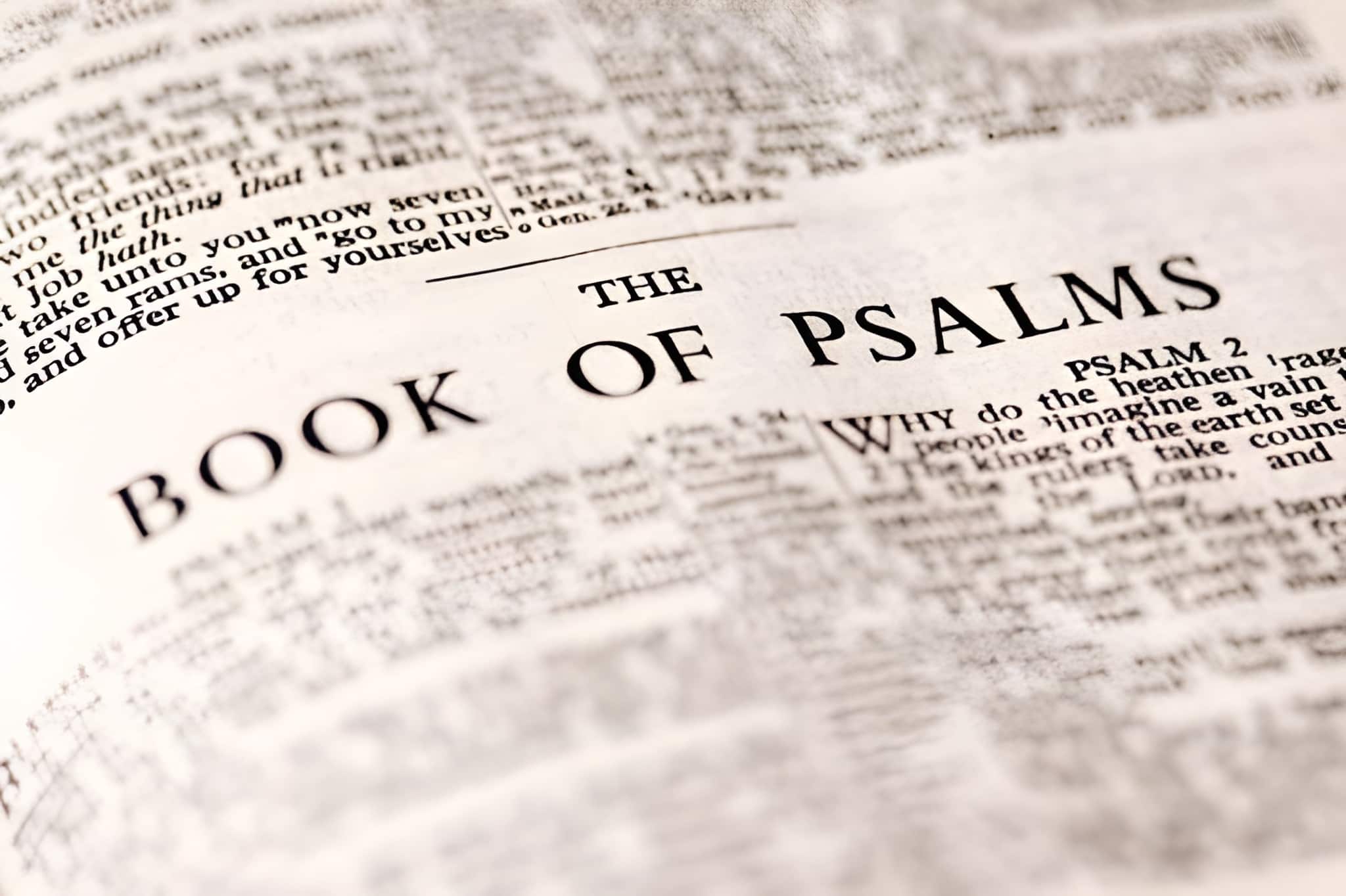
This is the verse skeptics quote to prove the Bible endorses violence against children.
Psalm 137:9, English Standard Version (ESV)
“Blessed shall he be who takes your little ones and dashes them against the rock!”
Read without context, this verse is horrifying.
It seems to celebrate infanticide.
Atheists brandish it as evidence that Scripture is morally bankrupt.
Some Christians stumble over it and are unsure how to reconcile it with the God who says, “Let the little children come to me.”
Even mature believers feel uncomfortable when this passage appears in lectionary readings.
But discomfort with difficult texts doesn’t justify ignoring them.
Scripture contains this verse for reasons, and understanding those reasons requires examining who wrote it, under what circumstances, what literary genre it represents, whether it prescribes or describes, and how it fits within biblical theology.
This isn’t a verse you can explain away with pleasant platitudes. It demands serious theological work.
The explanation isn’t comfortable, but it’s true: this is a prayer for God’s righteous judgment expressed by traumatized people who watched Babylon slaughter their children using this exact method.
The Historical Context: What Babylon Did to Judah
The Babylonian Conquest
In 586 BC, Babylon destroyed Jerusalem systematically. They burned the temple Solomon built. They demolished the city walls. They slaughtered adults and children.
Then they took survivors as slaves to Babylon, forcing them to march hundreds of miles from their homeland.
The prophet Jeremiah witnessed and described this devastation:
Lamentations 2:20-21, Christian Standard Bible (CSB)
“Lord, consider to whom you have done this. Should women eat their own children, the infants they have nurtured? Should priests and prophets be killed in the Lord’s sanctuary? Both young and old are lying on the ground in the streets. My young men and women have fallen by the sword. You have killed them in the day of your anger, slaughtering without compassion.”
Babylonian Warfare Tactics
Ancient Near Eastern warfare included atrocities designed to terrorize conquered peoples.
Babylon specifically practiced killing infants by smashing them against rocks or walls. This wasn’t a rare occurrence but a documented military tactic.
The prophet Nahum described Assyria’s earlier conquest using identical language:
Nahum 3:10, New International Version (NIV)
“Yet she was taken captive and went into exile. Her infants were dashed to pieces at every street corner. Lots were cast for her nobles, and all her great men were put in chains.”
Isaiah prophesied Babylon’s own future destruction using the same imagery:
Isaiah 13:16, New King James Version (NKJV)
“Their children also will be dashed to pieces before their eyes; their houses will be plundered and their wives ravished.”
This was the reality Jewish exiles experienced. They watched Babylonian soldiers kill their children this way.
The Literary Context: Understanding Lament Psalms
Psalm 137’s Structure
Psalm 137:1-6, English Standard Version (ESV)
“By the waters of Babylon, there we sat down and wept, when we remembered Zion. On the willows there we hung up our lyres. For there our captors required of us songs, and our tormentors, mirth, saying, ‘Sing us one of the songs of Zion!’ How shall we sing the Lord’s song in a foreign land? If I forget you, O Jerusalem, let my right hand forget its skill! Let my tongue stick to the roof of my mouth, if I do not remember you, if I do not set Jerusalem above my highest joy!”
The psalm begins with grief. Exiles weep by Babylon’s rivers, unable to sing worship songs in captivity. They vow never to forget Jerusalem.
Psalm 137:7-8, Christian Standard Bible (CSB)
“Remember, Lord, what the Edomites said that day at Jerusalem: ‘Destroy it! Destroy it down to its foundations!’ Daughter Babylon, doomed to destruction, happy is the one who pays you back what you have done to us.”
Then comes the turn toward imprecation. The psalmist calls for God to remember Edom’s betrayal and Babylon’s destruction.
Finally, verse 9 completes the thought begun in verse 8: “Happy is the one who pays you back what you have done to us.”
Imprecatory Psalms Category
Psalm 137 belongs to imprecatory psalms, prayers asking God to judge enemies.
Others include Psalms 58, 59, 69, 109, and 139. These psalms disturb modern readers but were accepted forms of prayer in ancient Israel.
Imprecatory psalms don’t command human vengeance.
They appeal to God as a righteous judge to execute justice. They express raw pain and plead for divine intervention rather than taking vengeance personally.
What Verse 9 Actually Says and Means
The Hebrew Text
The Hebrew word translated “blessed” or “happy” (ashrei) means fortunate or content.
The same word begins the Psalter: “Blessed is the man who walks not in the counsel of the wicked” (Psalm 1:1).
“Little ones” (olel) refers to nursing infants or very young children. The word is used elsewhere for vulnerable dependents who require complete care.
“Dashes against the rock” (naphats el-sela) describes the violent action Babylon used against Jewish infants during conquest.
What the Psalmist Is Actually Saying
The psalmist is saying: “Fortunate will be whoever does to Babylon what Babylon did to us.” This is lex talionis, the law of proportional justice: eye for eye, tooth for tooth, life for life.
He’s not commanding anyone to kill Babylonian children.
He’s asking God to repay Babylon with the same violence they inflicted. He’s praying that their own military tactics will be used against them as divine judgment.
Theological Considerations
Does God Approve This Prayer?
Scripture includes this prayer without explicit divine endorsement or condemnation.
Its presence in Scripture doesn’t mean God commands this attitude, but that God permits honest expression of pain to Him.
The Bible records many prayers and statements it doesn’t endorse.
Satan’s words are recorded. Foolish statements are recorded.
Scripture includes them as part of an honest narrative, not as prescriptive commands.
Is This Righteous Anger or Sinful Vengeance?
The answer is complex. The desire for justice against genuine evil is righteous. Babylon committed horrific atrocities. Justice demands accountability.
However, the New Testament explicitly commands different response:
Romans 12:19-21, New International Version (NIV)
“Do not take revenge, my dear friends, but leave room for God’s wrath, for it is written: ‘It is mine to avenge; I will repay,’ says the Lord. On the contrary: ‘If your enemy is hungry, feed him; if he is thirsty, give him something to drink. In doing this, you will heap burning coals on his head.’ Do not be overcome by evil, but overcome evil with good.”
The New Testament doesn’t eliminate God’s justice but forbids personal vengeance and commands love toward enemies.
How Does This Fit With Jesus’s Teaching?
Matthew 5:43-44, New King James Version (NKJV)
“You have heard that it was said, ‘You shall love your neighbor and hate your enemy.’ But I say to you, love your enemies, bless those who curse you, do good to those who hate you, and pray for those who spitefully use you and persecute you.”
Jesus explicitly commands praying for enemies, not against them. This represents higher ethical standard than Old Testament imprecatory prayers.
Does this mean Psalm 137 is wrong? No. It means it reflects pre-cross understanding of justice. After Christ’s crucifixion and His prayer “Father, forgive them” (Luke 23:34), believers are called to higher standard.
How Christians Should Approach This Text
1. Recognize Its Historical Nature
This is prayer from traumatized people in specific historical moment. It’s not timeless command for how Christians should pray. Context matters profoundly.
2. Honor Its Honesty
God permits brutally honest prayers. The psalmist doesn’t pretend he’s okay with what happened. He doesn’t spiritualize his rage. He brings raw pain to God rather than acting on it himself.
This models bringing honest emotions to God in prayer. You don’t have to sanitize feelings before praying. God can handle your rage, confusion, and desire for justice.
3. Understand Progressive Revelation
God revealed Himself progressively throughout Scripture. Old Testament understanding of justice and vengeance finds fuller expression in Christ. The cross changes everything about how believers respond to enemies.
4. Apply It Correctly
The correct application isn’t praying for enemies’ children to be killed. It’s bringing honest pain to God and trusting Him to execute justice in His time and way.
When you’re traumatized by evil, you can pray: “God, I want them to suffer like I’ve suffered. I’m furious. I want justice. But I surrender vengeance to You. Execute justice as You see fit. Help me forgive while trusting You’ll judge righteously.”
5. Remember What Babylon Represents
In Revelation, Babylon symbolizes corrupt systems opposed to God. The fall of “Babylon the Great” represents God’s ultimate judgment on evil.
Revelation 18:20, English Standard Version (ESV)
“Rejoice over her, O heaven, and you saints and apostles and prophets, for God has given judgment for you against her!”
Christians can celebrate God’s justice against evil systems while loving individual people trapped in them.
Frequently Asked Questions
Does this verse prove the Bible is immoral?
No. The Bible records this prayer without commanding it. Recording something isn’t endorsing it. Scripture includes many statements it doesn’t approve as models for imitation. The Bible honestly depicts human responses to trauma, including vengeful thoughts, while providing fuller revelation of how God wants people to respond.
Should this psalm be removed from Scripture?
No. Removing difficult texts produces sanitized Bible disconnected from human reality. Traumatized people need permission to bring honest emotions to God. This psalm models raw prayer while New Testament provides corrective teaching about loving enemies.
How do I explain this to my children?
Age-appropriate honesty is best. Young children don’t need full details. Older children and teens can understand: “This is prayer from people whose children were killed by Babylon. They’re asking God to judge their enemies. It shows we can be honest with God about pain. But Jesus taught us to pray for enemies, not against them.”
Did God answer this prayer?
Yes. Babylon fell to Persia in 539 BC, roughly 50 years after Jerusalem’s destruction. Daniel witnessed it (Daniel 5). However, there’s no historical record of Persian forces specifically killing Babylonian infants. The judgment came but perhaps in different form than requested.
Can I pray imprecatory psalms today?
You can bring honest emotions to God, including anger at injustice. However, Christians are commanded to love enemies and pray for persecutors. You can pray: “God, I’m furious about this injustice. I want them to suffer. But I surrender vengeance to You and ask You to help me forgive while trusting You’ll judge righteously.”
What about people suffering genocide or atrocities?
Victims of horrific evil naturally experience rage and desire for justice. God permits honest expression of these emotions in prayer. However, even in extreme circumstances, New Testament commands loving enemies while trusting God to execute justice. This is supernatural work only possible through Holy Spirit’s power.
Say This Prayer
Father, this text disturbs me, and that’s appropriate. The violence it describes is horrifying. Help me understand it honestly without dismissing it or justifying evil. Thank You for permitting brutally honest prayers in Scripture. When I’m traumatized, help me bring raw emotions to You rather than acting on them destructively. Teach me to trust Your justice enough to surrender vengeance to You. Give me supernatural grace to love enemies while hating evil. When I want revenge, remind me of Jesus praying “Father, forgive them” while being crucified. Transform my desire for personal vengeance into trust in Your righteous judgment. Help me celebrate Your justice against evil without hating individual people. In Jesus’s Name, Amen.
Scholarly Sources
Brueggemann, W. (1984). The Message of the Psalms. Augsburg Fortress. [Psalm Theology]
Longman, T. (2014). Psalms. Baker Academic. [Biblical Commentary]
Peterson, E. H. (2005). The Message: The Bible in Contemporary Language. NavPress. [Bible Translation]
Strong, J. (2010). Strong’s Exhaustive Concordance of the Bible. Hendrickson Publishers. [Reference Book]
VanGemeren, W. A. (Ed.). (2008). Psalms. In The Expositor’s Bible Commentary (Rev. ed., Vol. 5). Zondervan. [Biblical Commentary]
Zenger, E. (1996). A God of Vengeance? Understanding the Psalms of Divine Wrath. Westminster John Knox Press. [Imprecatory Psalms Study]

