

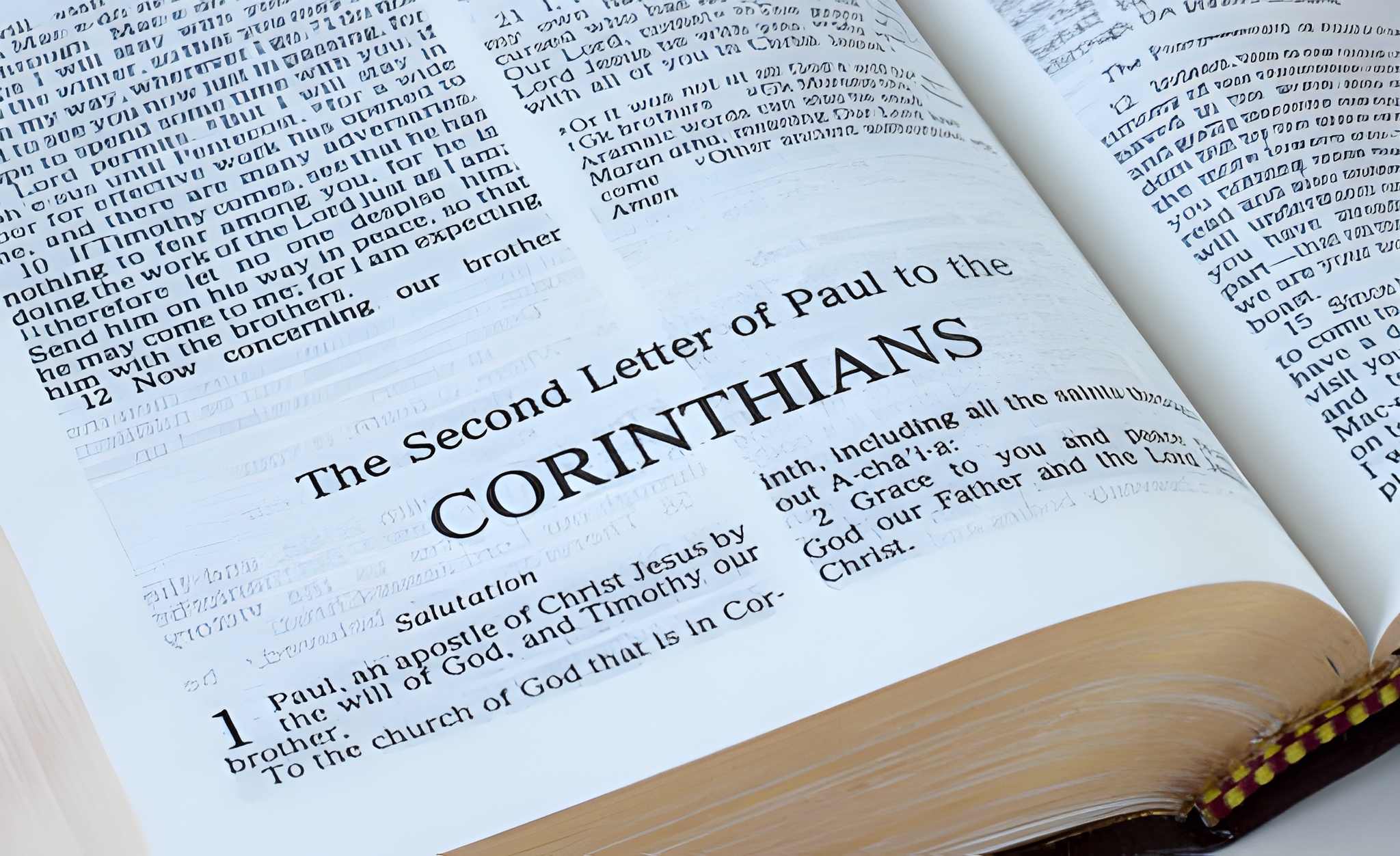
The phrase “unequally yoked” appears in 2 Corinthians 6:14 and has been used to guide Christians in friendships, marriages, business partnerships, and even ministry alliances.
Yet, understanding what Paul truly meant requires historical, cultural, and theological context.
This post examines the biblical meaning of “unequally yoked,” the context of 2 Corinthians 6:14, practical implications for today’s Christian, and answers common questions about its application.
Understanding 2 Corinthians 6:14
The Verse in Context
Paul writes:
“Do not be yoked together with unbelievers. For what do righteousness and wickedness have in common? Or what fellowship can light have with darkness?”
2 Corinthians 6:14, NIV
The imagery of a “yoke” comes from agriculture. Farmers would bind two animals together to plow a field.
If the animals were mismatched in strength or temperament, the work would be ineffective or even harmful.
Paul draws on this vivid image to communicate the spiritual danger of binding one’s life closely with someone who does not share the same commitment to God.
Historical and Cultural Background
In first-century Corinth, Christians lived amid a pluralistic and morally diverse society.
Pagan worship, Greco-Roman values, and social pressures often tempted believers to compromise.
Paul’s audience would have immediately grasped the agricultural metaphor: working with an animal that moves differently or resists will slow the entire task and can even injure the animals.
In the same chapter, Paul emphasizes God’s call to holiness and separation from idolatry.
Being “unequally yoked” carries the risk of spiritual compromise, moral confusion, and divided loyalty.
What Being Unequally Yoked Really Means
Spiritual Alignment Matters
Being “yoked” refers not just to marriage but any relationship requiring deep cooperation and unity.
When a Christian aligns with someone who does not honor God, they risk conflicting priorities and values that can disrupt spiritual growth.
Paul uses rhetorical questions to highlight incompatibility:
“For what do righteousness and wickedness have in common? Or what fellowship can light have with darkness?”
2 Corinthians 6:14, NIV
The distinction between light and darkness, righteousness and wickedness, emphasizes the fundamental incompatibility between the worldview of a believer and an unbeliever.
Marriage and Romantic Relationships
The most common application today is marriage. Spiritual alignment in a life partner influences family decisions, moral guidance, and faith formation for children. A mismatched marriage in faith can create tension, spiritual stagnation, and emotional struggle.
Friendships and Partnerships
Being unequally yoked extends beyond marriage. Close friendships, business partnerships, and ministry collaborations require shared values, vision, and accountability. Aligning with someone whose priorities conflict with God’s commands can lead to compromise and spiritual strain.
Financial and Professional Considerations
Shared financial goals, work ethics, and ethical decision-making are also affected by being unequally yoked. Paul’s principle applies: two individuals moving in different directions spiritually will struggle to move forward harmoniously in business or professional endeavors.
Lessons for Today’s Christian
1. Prioritize Spiritual Compatibility
Before entering into intimate or high-stakes relationships, examine whether both parties share faith, values, and life goals. Spiritual unity creates harmony and strengthens mutual growth.
2. Guard Your Heart
Paul’s warning is protective. Being close to someone with conflicting moral or spiritual priorities can erode conviction. Guarding your heart helps maintain faithfulness to God.
3. Seek Accountability
Relationships in which believers share faith but challenge one another in love produce growth. However, relationships with unbelievers that require compromise can hinder spiritual development.
4. Remember God’s Sovereignty
While spiritual alignment is vital, Christians must trust God in their relationships. Prayer, wisdom, and discernment help ensure decisions honor Him.
5. Apply Biblical Discernment, Not Legalism
Being unequally yoked does not mean Christians cannot interact with non-believers. Business, evangelism, mentorship, and community involvement often require cross-belief engagement. The caution is about deep, binding partnerships that influence the core of one’s life and faith.
Related Scriptures
Several passages echo the principle of spiritual alignment:
“Do not be misled: ‘Bad company corrupts good character.'”
1 Corinthians 15:33, NIV
“Come out from them and be separate, says the Lord. Touch no unclean thing, and I will receive you.”
2 Corinthians 6:17, NIV
“Two are better than one, because they have a good return for their labor.”
Ecclesiastes 4:9, NIV
These passages reinforce the wisdom of choosing companions and partners who will build up, rather than hinder, a life of faith and integrity.
Frequently Asked Questions
What does ‘unequally yoked’ mean in a modern marriage context?
It means that a marriage involves two people who are fundamentally different in faith commitment. One may fully follow God while the other does not. The spiritual misalignment can create tension in decision-making, parenting, and moral priorities.
Can Christians be friends with non-believers?
Yes, Christians can form friendships with non-believers. The key distinction is depth and influence. Superficial relationships are not prohibited, but deep partnerships requiring moral or spiritual compromise can be dangerous.
Does being unequally yoked apply only to romantic relationships?
No, it applies to any significant relationship requiring close cooperation, including business partnerships, ministry teams, and mentorships. Spiritual unity ensures harmony and integrity.
How can I discern if I am unequally yoked?
Reflect on the relationship’s influence on your faith and moral life. Are core values compromised? Is accountability lacking? Are decisions guided by God’s Word or by conflicting priorities? Prayer and wise counsel are essential tools in discernment.
Can unequally yoked relationships be restored?
Yes, restoration is possible if both parties embrace faith and align spiritually. However, restoration requires mutual commitment to God, repentance, and openness to spiritual growth.
Prayer For Discernment and Alignment
Heavenly Father, thank You for guiding us through Your Word. Grant us wisdom to recognize relationships that align with Your will and courage to step back from those that hinder our walk with You. Protect our hearts from compromise and strengthen our faith in every connection we make. Surround us with companions who encourage righteousness, accountability, and love for Your kingdom. May all our partnerships and friendships glorify You and advance Your purposes. In Jesus’ name, Amen.
References
Carmichael, C. M. (1997). Law, legend, and relationships in the Bible: Principles for Christian life. Cornell University Press.
Gane, R. (2004). 2 Corinthians: The NIV Application Commentary. Zondervan.
Harrison, R. K. (1980). Pauline Ethics and the New Testament Context. InterVarsity Press.
Milgrom, J. (2000). Biblical ethics and moral discernment: A commentary on Pauline letters. Anchor Bible.
Stott, J. (2001). Christian living in a secular world: Lessons from the New Testament. InterVarsity Press.
The Holy Bible, New International Version. (2011). Zondervan.
The Holy Bible, King James Version. (2000). Thomas Nelson.

